How often should you wash a dog bed?
Wash the cover when it smells, looks marked, or holds grit—not by an arbitrary calendar. Vacuum between washes and dry every layer fully.
Issue 06 Useful days with a dog
Field note 06 Everyday practice
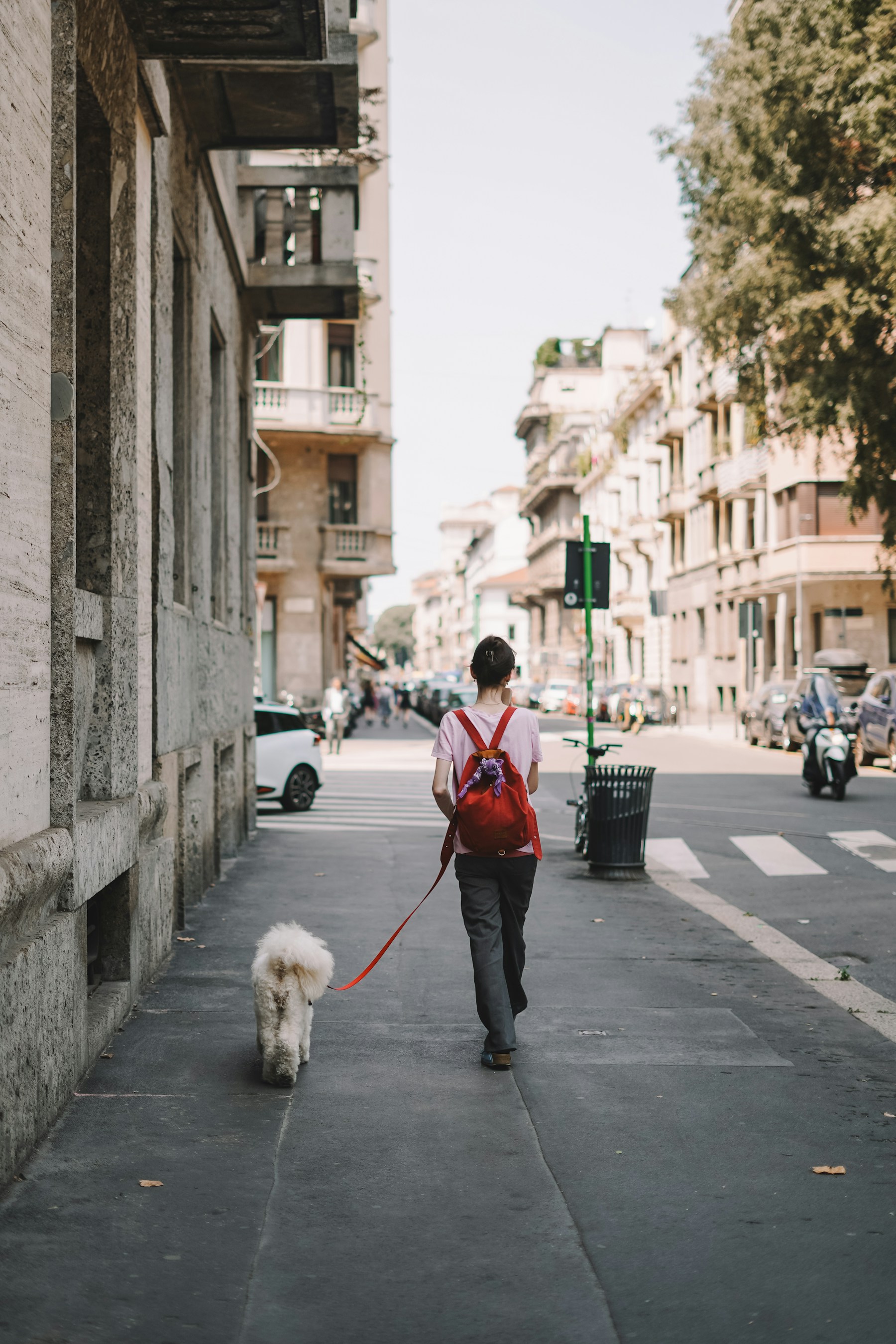
Clear thinking for the daily work of living with a dog: enough movement, repeatable cues, useful rest, and a home that makes all three easier.
Start with todayA workable rhythm
A schedule should make the day legible without making it brittle. Shift the times to fit your household and keep the sequence familiar.
Give the first few minutes to sniffing, then add one short stretch of loose-leash practice.
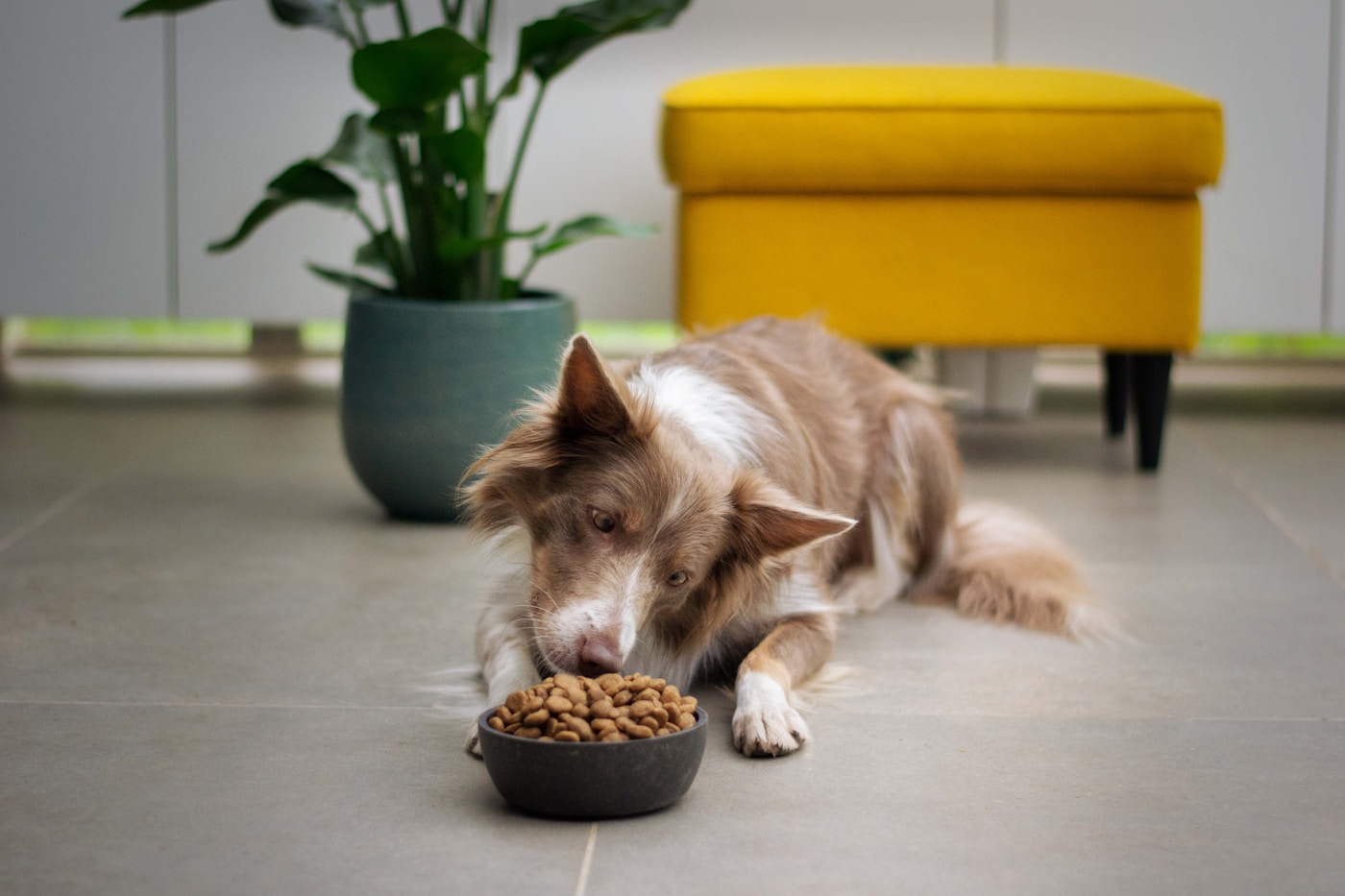
Use the same place and a measured portion. A predictable bowl is easier to notice when appetite changes.
A toilet break can include five quiet minutes of looking and smelling. It need not become a second full walk.
Change the route and practise one cue where the environment is calm enough for attention.
Offer a safe chew, scatter a few pieces of food, or let the day simply finish.
Training focus
The lead is information, not a steering wheel. Start by making the position near you useful and easy to find.
Reward two or three steps beside you before the lead becomes tight.
Pause or change direction calmly. Move again when there is slack.
Use a consistent word that means the dog can move ahead and sniff.
Five focused minutes can be more useful than rehearsing pulling for half an hour.
Choose a well-fitting harness or flat collar. If walking is painful, suddenly difficult, or unsafe, ask a qualified professional for individual help.
Walk quality
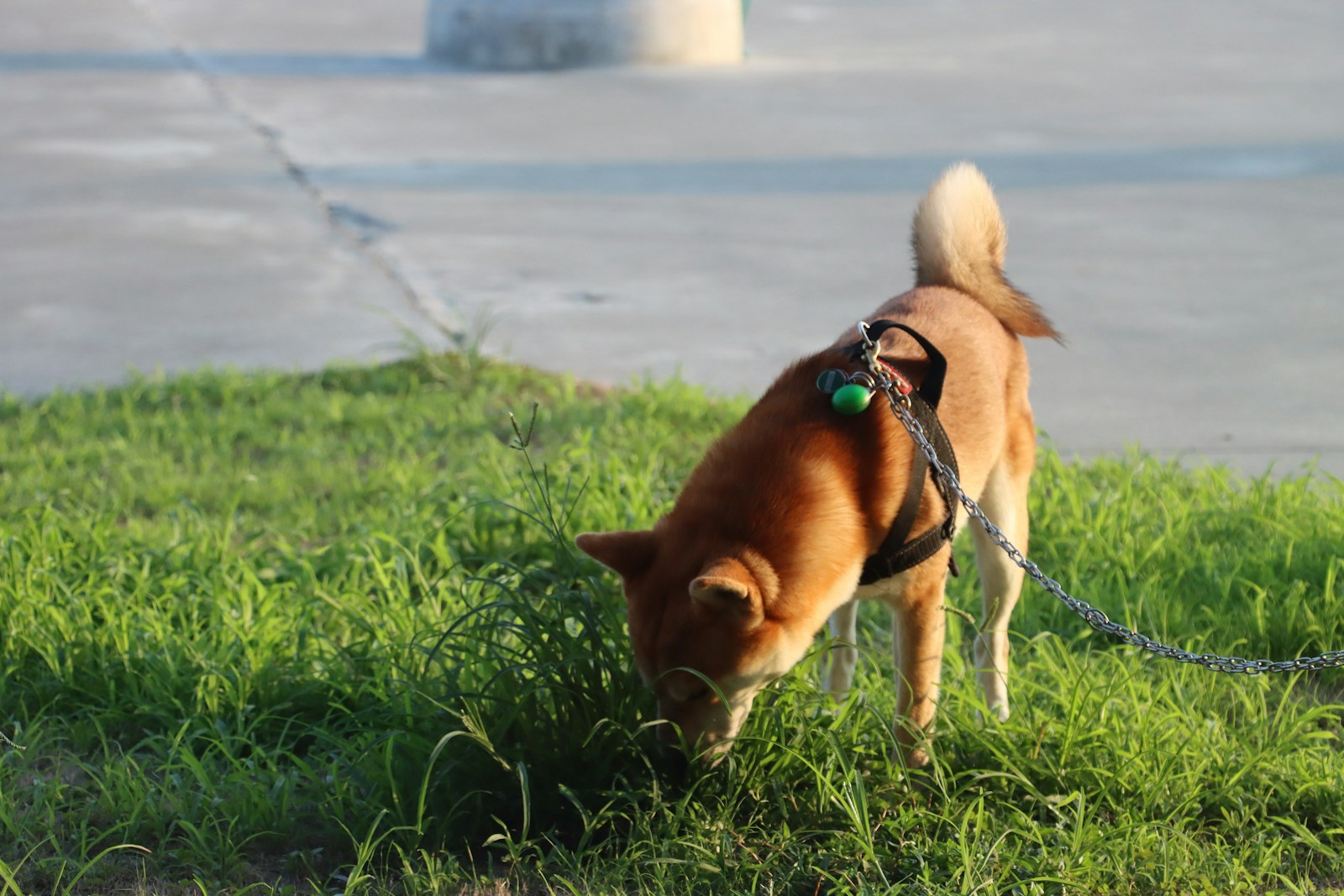
A forty-minute walk is not automatically better than a twenty-minute one. Sniffing, route variety, and a few minutes of focused practice can make a shorter outing far more useful.
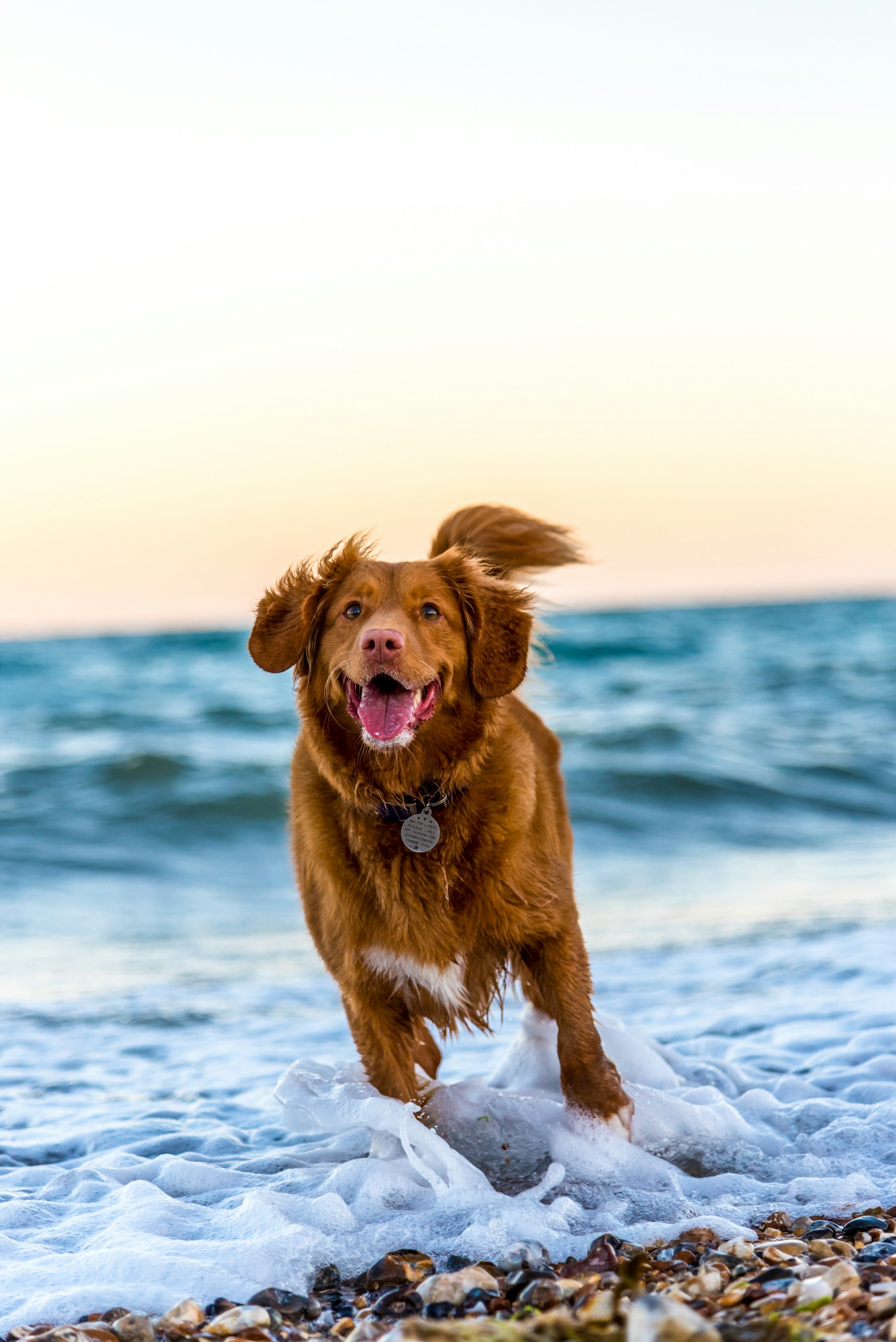
Home setup
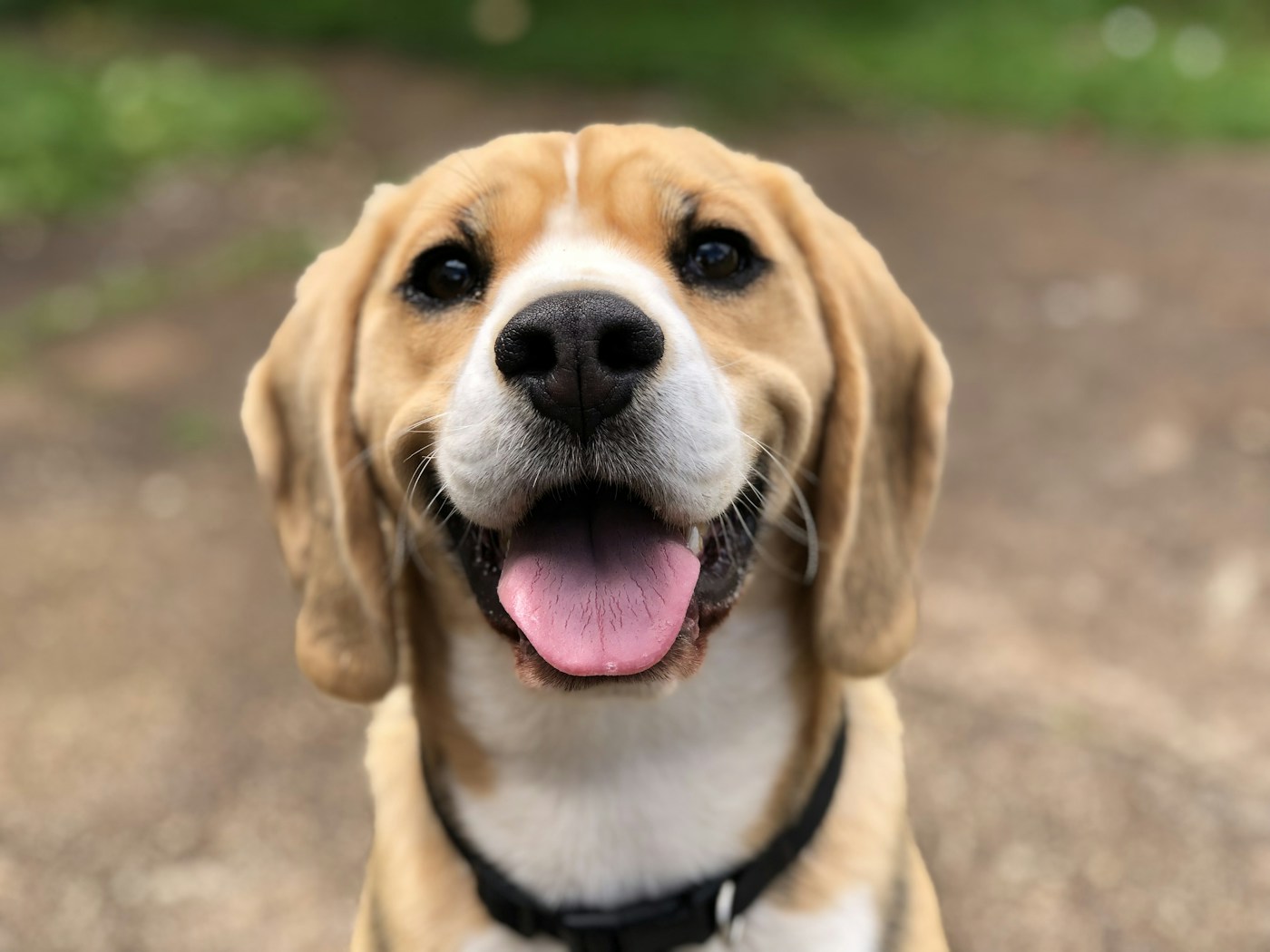
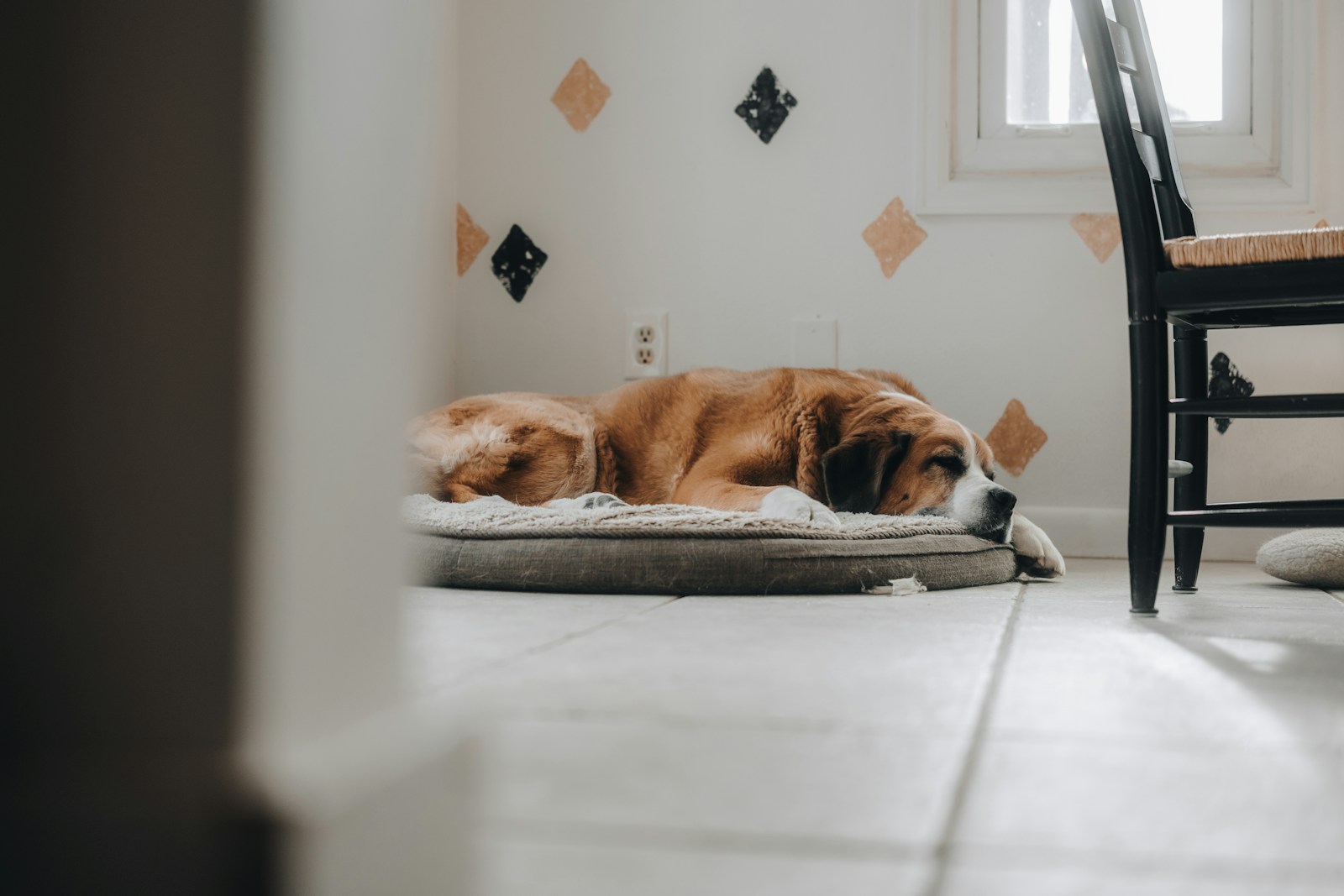
Keep it in a quiet, easy-to-reach place and refresh it daily.
Put one bed away from the main route through the room.
Store walking gear by the exit so leaving stays calm.
Rotate a small selection and remove anything damaged.
Practical index
Wash the cover when it smells, looks marked, or holds grit—not by an arbitrary calendar. Vacuum between washes and dry every layer fully.
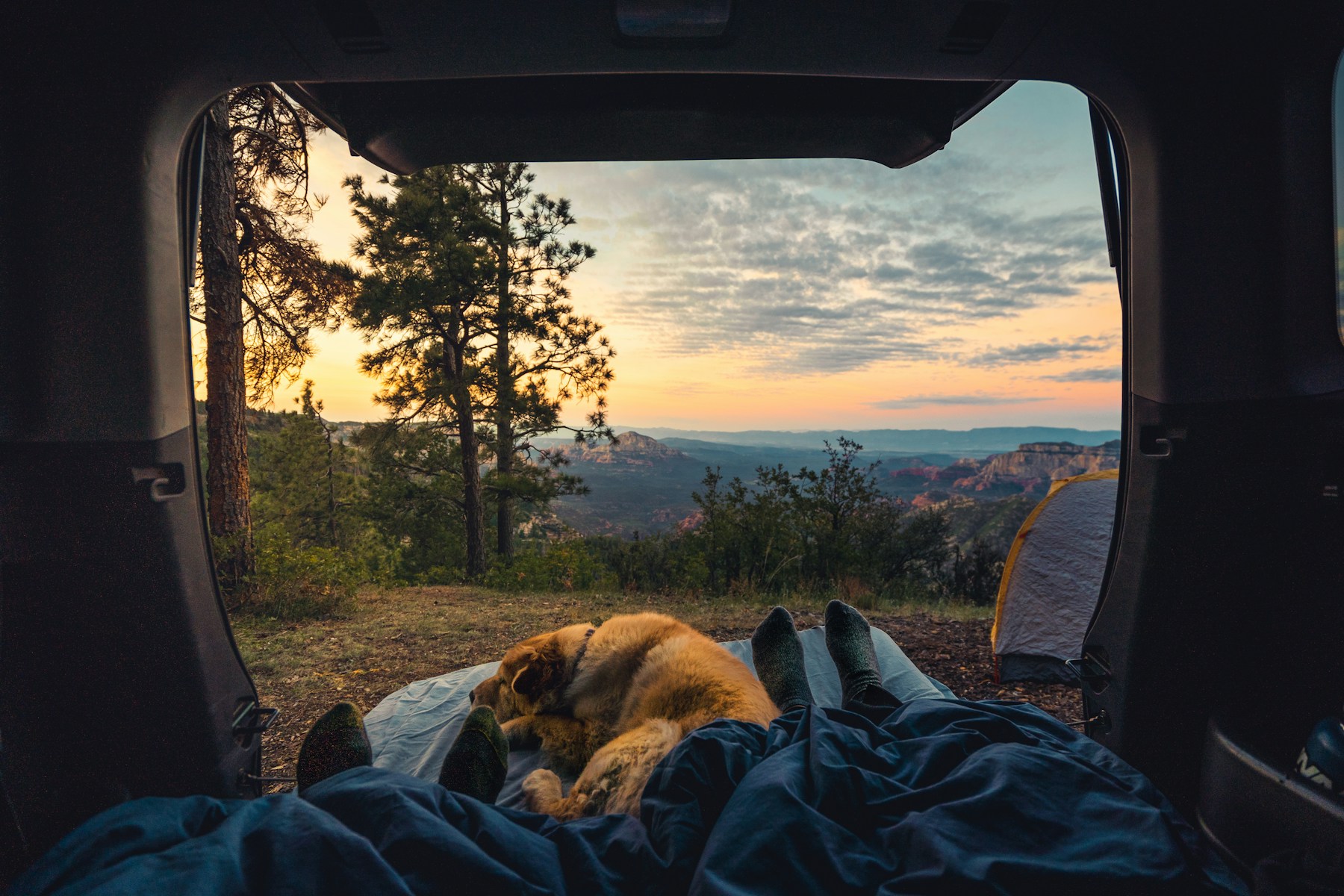
Bring water, a familiar bowl, waste bags, a towel, restraint for the car, medication already prescribed, and one simple activity for downtime.
Overtired dogs can look restless. Try a quieter route, a food scatter, then protected rest before adding more distance.
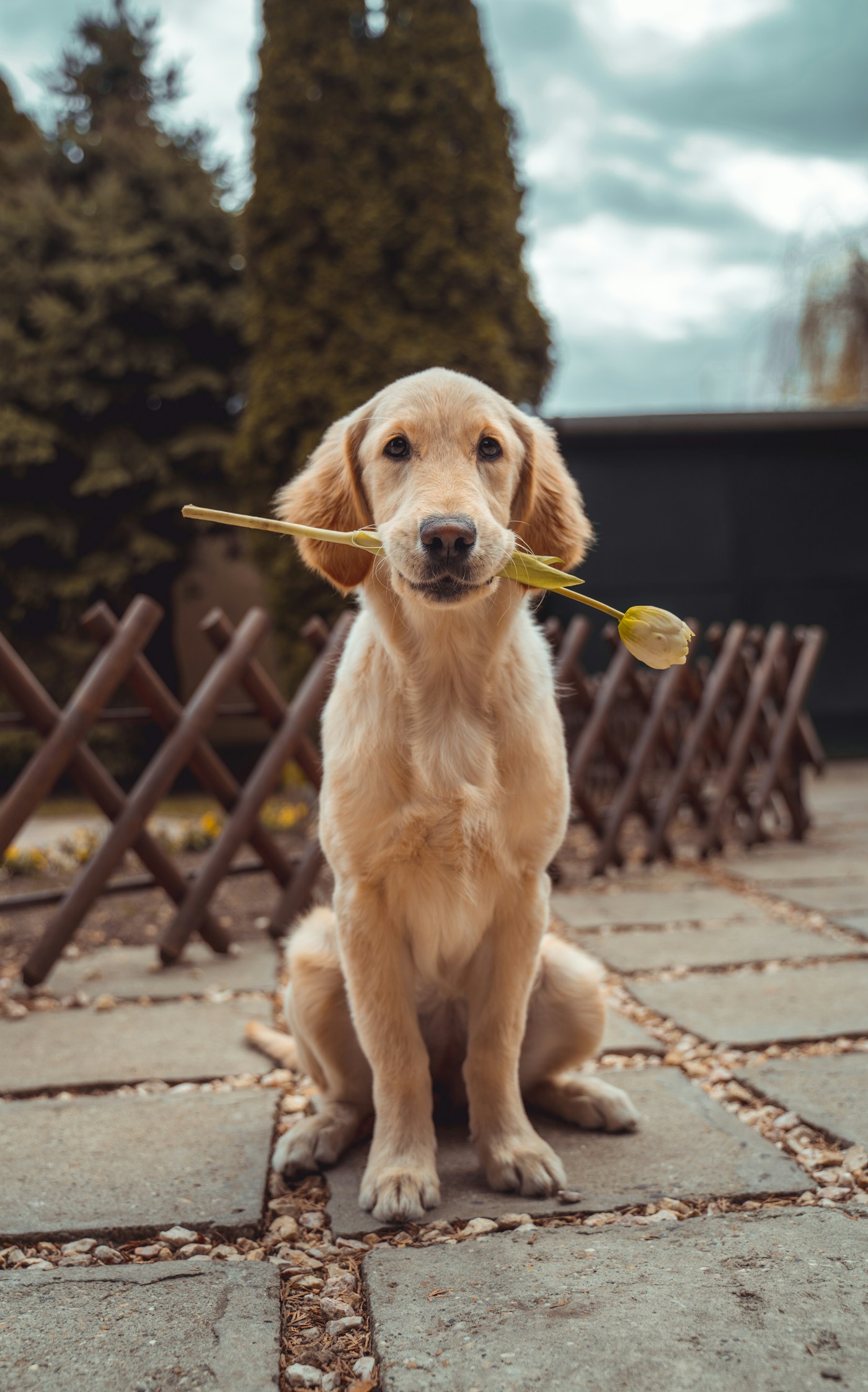
Ask for a pause at the door, a hand target before clipping the lead, and one recall between rooms. Daily life already contains the repetitions.
Useful gear, no shopping list
More equipment does not create a clearer routine. A few dependable pieces, stored where they are used, usually do more.
Tomorrow, repeat what worked